Baseball Bats FAQs
What are the different types of baseball bats?
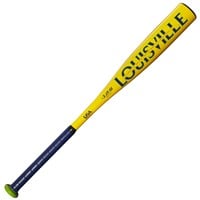
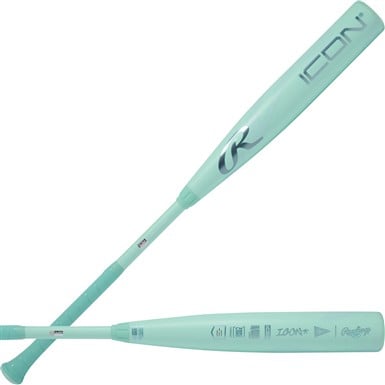
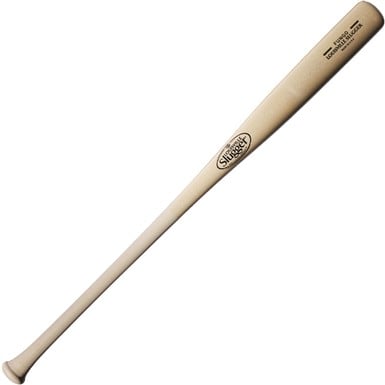
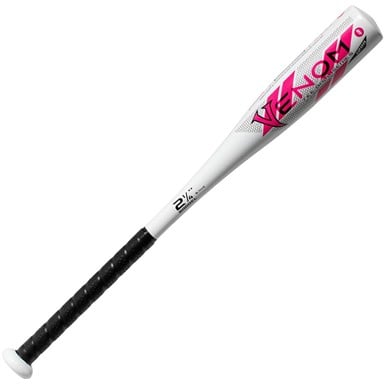
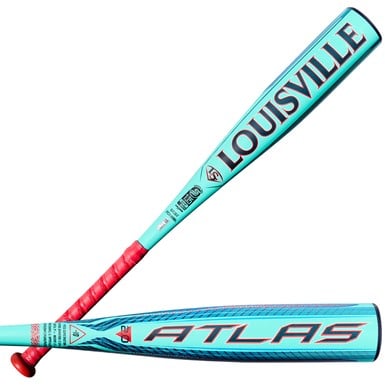
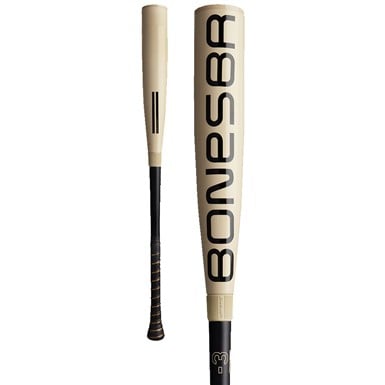
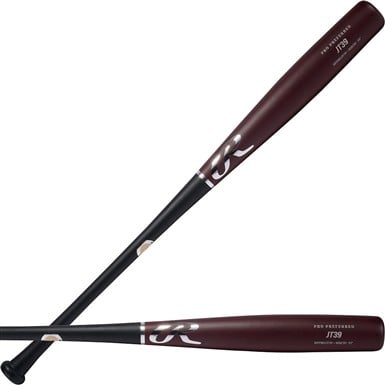
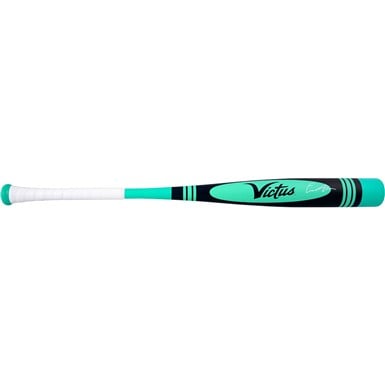
Baseball bats are commonly grouped by league certification and construction. The main certification types are USA Baseball bats (often used in youth leagues), USSSA bats (typically higher performance for travel ball, where allowed), and BBCOR bats (required for most high school and college). Within those categories you'll see one-piece and two-piece designs. One-piece bats offer a stiffer feel and more direct feedback, while two-piece bats can reduce sting and feel more forgiving. Materials include aluminum/alloy, composite, and hybrid bats, each with different performance and durability characteristics.
What kind of bat should I get for baseball?
The right bat depends on your league rules, your age/level, and what feels comfortable in your hands. Start by confirming the required certification (USA, USSSA, or BBCOR) because using the wrong stamp can make a bat illegal for games. Next, choose a length and weight you can control: you should be able to swing smoothly without dropping the barrel. Players who want a stiffer, traditional feel often choose alloy, while those who prefer less vibration and a smoother feel may like composite or two-piece options. Comfort, control, and compliance matter more than chasing the hottest bat.
How do I choose a baseball bat?
Choose a baseball bat by narrowing down three things: certification, size, and feel. First, match your league's required stamp (USA, USSSA, or BBCOR). Second, pick a length and drop weight you can swing with balance and control; your hands should stay quick through the zone without muscling the bat. Third, decide on construction: one-piece bats feel more rigid and responsive. Two-piece designs can feel smoother and reduce vibration. If possible, hold or swing a few bats to compare grip thickness, balance (end-loaded vs balanced), and comfort, since the best bat is the one you consistently square up.
How do you maintain a baseball bat?
To maintain a baseball bat, keep it clean, store it properly, and use it for the right type of baseballs. Wipe off dirt and moisture after use, especially around the handle and barrel, and let it dry before putting it in a bag. Avoid leaving bats in extreme heat or cold (like a hot car or freezing garage), which can affect performance and durability, especially for composite bats. Use game-approved balls and avoid hitting heavy or waterlogged balls that can damage the barrel. Regularly check for dents, cracks, or rattles, and replace the bat if it shows structural damage.