Tee Ball Baseball Bats FAQs
What makes a tee ball bat different from other baseball bats?
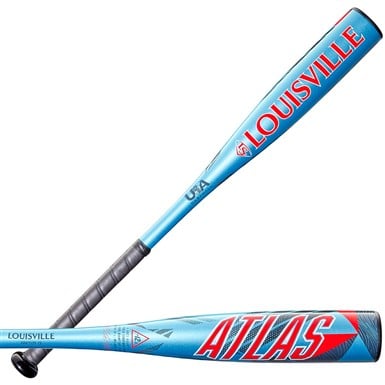
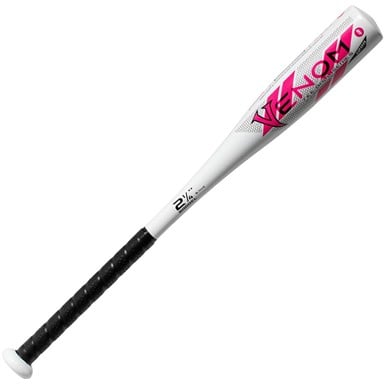
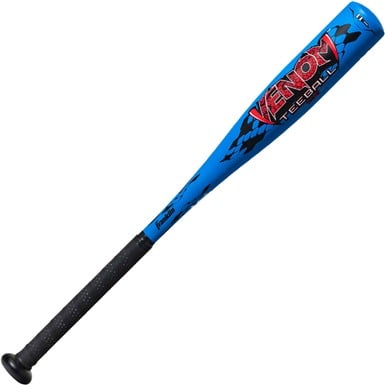
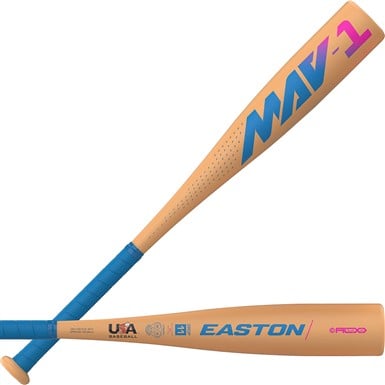
Tee ball bats are designed specifically for very young players who are just learning how to swing and make contact. They are lighter, shorter, and easier to control than youth or junior baseball bats, helping beginners develop proper mechanics without fatigue. Tee ball bats also have strict performance limits to keep ball exit speeds low for safety. They are clearly marked with a USA Tee Ball certification stamp, which indicates the bat meets standards for size, weight, and performance required in tee ball leagues.
What size bat is best for tee ball players?
The best tee ball bat size depends on the child's height, strength, and coordination. Most tee ball bats range from 24 to 26 inches in length and are very lightweight to help young players swing comfortably. A good rule of thumb is to choose a bat the child can lift and swing smoothly without losing balance. If the bat feels too heavy or hard to control, it can slow swing development and reduce confidence. Comfort and control matter more than maximizing length at this stage.
Are tee ball bats lighter than youth bats?
Yes, tee ball bats are significantly lighter than youth baseball bats. They are designed for players typically between the ages of four and seven, who are still developing strength and coordination. The lighter weight allows young hitters to swing freely and focus on timing and contact rather than struggling to move the bat. Youth bats used in coach-pitch or player-pitch leagues are heavier and built for faster pitches. Tee ball bats are optimized for stationary ball contact and early skill development.
What materials are used in tee ball bats?
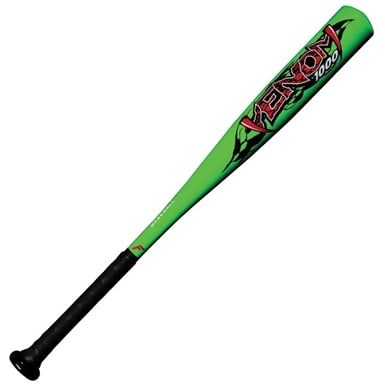
Tee ball bats are commonly made from lightweight alloy, composite materials, or durable plastics. Alloy and composite bats are popular because they offer a solid feel while remaining easy to swing. Plastic bats are often used for very young beginners or backyard play, but league-approved tee ball bats must meet USA Tee Ball standards regardless of material. The focus is on safety, durability, and ease of use rather than high performance, making material choice secondary to proper certification and fit.
How do I choose a safe tee ball bat for my child?
To choose a safe tee ball bat, first confirm that it has the official USA Tee Ball certification stamp required by most leagues. Next, select a length and weight your child can handle comfortably without forcing the swing. Look for bats with smooth grips, rounded barrel edges, and durable construction. Avoid oversized or overly heavy bats, as they can increase injury risk and slow skill development. A properly sized, certified tee ball bat helps young players build confidence and learn the fundamentals safely.