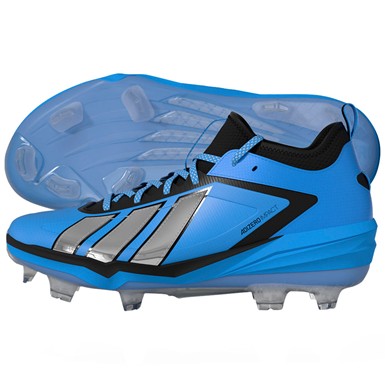
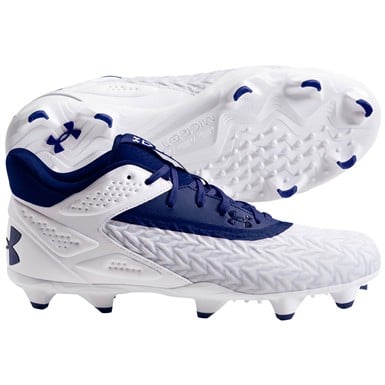
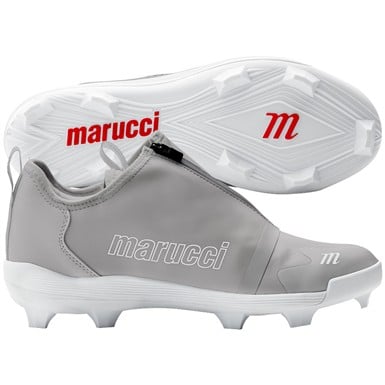
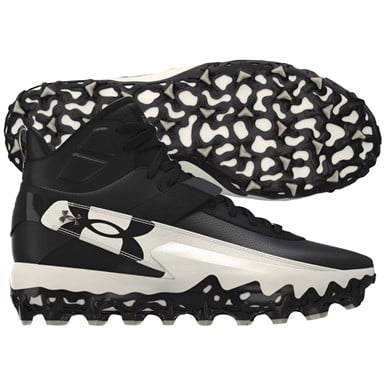
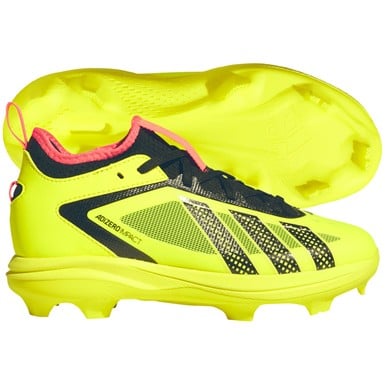
TPU Baseball Cleats FAQs
What are TPU baseball cleats?
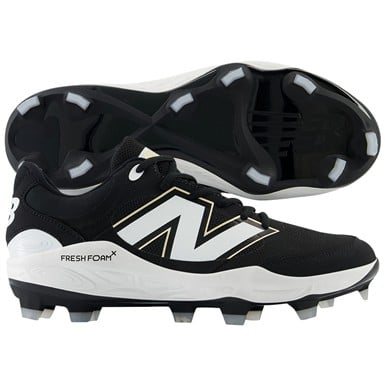
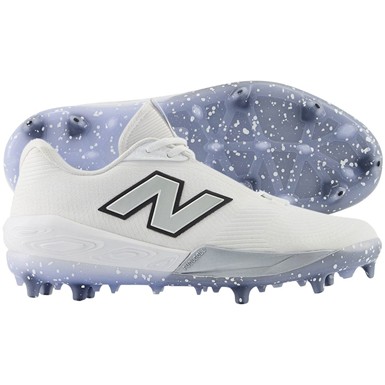
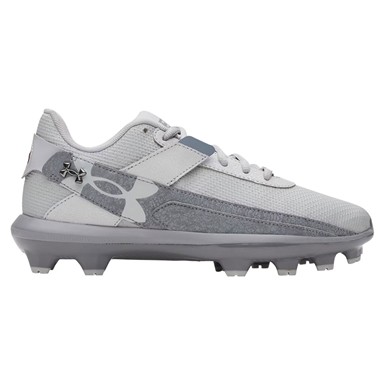
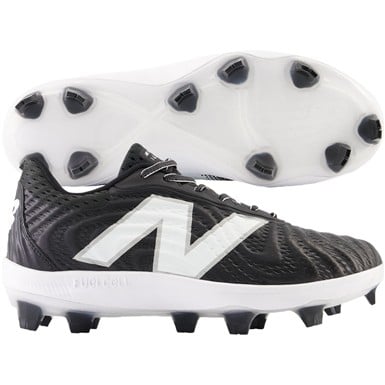
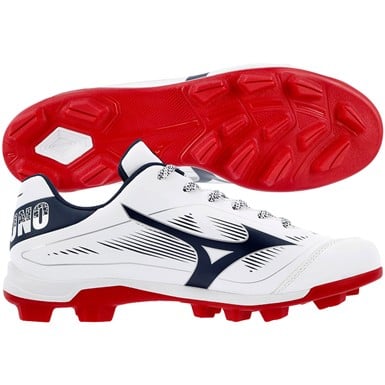
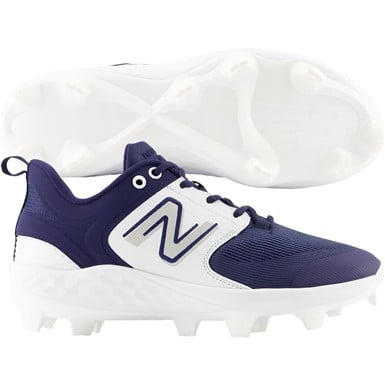
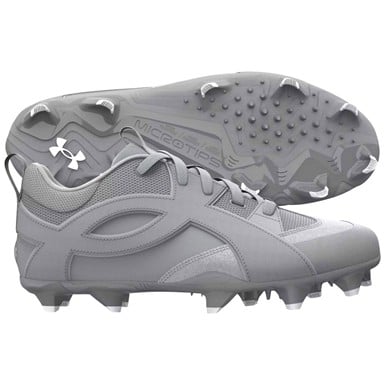
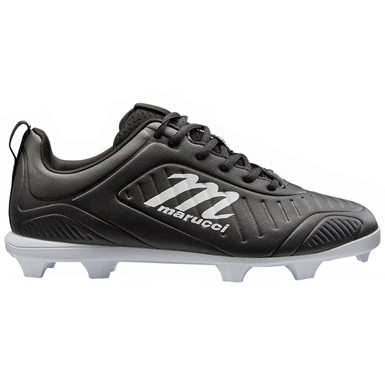
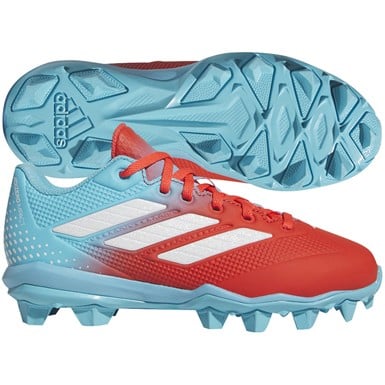
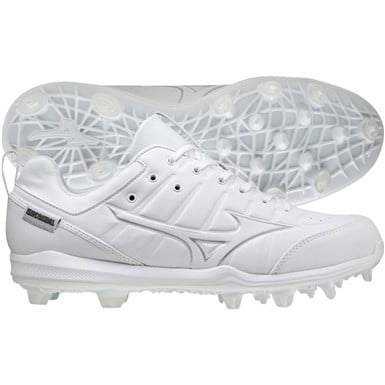
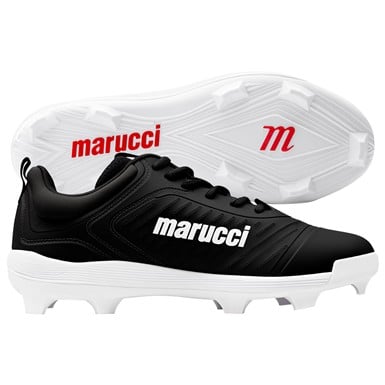
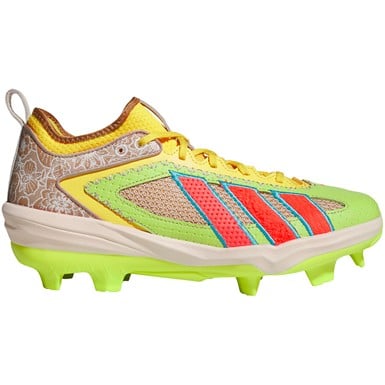
TPU baseball cleats use studs made from thermoplastic polyurethane, a lightweight and flexible material designed to balance durability, comfort, and traction. Compared to traditional molded cleats, TPU studs often feel springier and provide better energy return, helping players move more efficiently on grass and dirt. They also resist wear on harder surfaces, making them a strong option for athletes who practice on multiple field types. TPU cleats are increasingly popular in youth and high-school play because they offer reliable grip without the sharpness or league restrictions associated with metal spikes.
Are TPU cleats good for baseball?
TPU cleats are an excellent choice for many baseball players because they deliver stable traction while keeping overall shoe weight low. The studs flex naturally with the foot, supporting quick acceleration and lateral movement. They also maintain their shape well, even under heavy use, which helps ensure consistent grip throughout a season. TPU cleats are especially beneficial for players who want a balance of comfort and performance without switching to metal spikes. Their versatility makes them suitable for practices, games, and training sessions across a wide range of field conditions.
Can TPU cleats be used in the rain?
Yes, TPU cleats can be used in the rain, and many players find them dependable on wet grass and softer dirt. The studs are wide enough to provide surface-level stability without sinking too deeply, helping maintain footing in slippery conditions. However, extremely muddy fields may still challenge any non-metal cleat, so traction may vary. TPU studs are also resistant to water absorption, meaning they hold up well even with frequent exposure to moisture. After playing in the rain, allow the cleats to dry fully to preserve the materials and prevent odor buildup.
How do you break in TPU baseball cleats?
Breaking in TPU baseball cleats is generally quick thanks to the flexible nature of the upper materials and stud plate. Begin with brief wear during warmups or light drills to soften pressure points and allow the shoe to conform to your foot. Gradually increase activity over a few practices until the fit feels natural. Avoid submerging the cleats in water, as this can damage adhesives. Wearing performance socks and adjusting lacing tension can also improve comfort during the break-in phase. Most TPU cleats reach optimal feel within a couple of sessions.