
AQID: 6aa0b7d19bbafd4263a627c2e0653f55

Baseball Pitching Training Aids

1 Results
Selection of a filter will refresh the page with new results.
Sort By: {{opt.text}}

Baseball Pitching Training Aids for More Productive Bullpens


Baseball pitching training aids help players build a more focused routine for work on the mound and between sessions. Weighted balls, resistance bands, training plates, and targets can support drills for balance, arm care, strength, and command. These tools are most effective when they reinforce a sound throwing program and are used with attention to the player's age, workload, and mechanics.


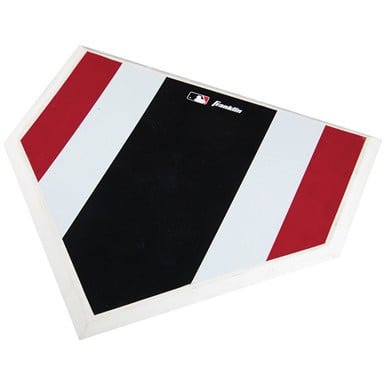
For accuracy work, pitching plates and strike-zone targets give pitchers a clear visual goal while they practice repeatable landing and release points. Resistance bands can be useful for warmups and mobility, and baseballs designed for controlled throwing drills can help players work on feel. Start with quality movement and consistent effort before adding complexity or intensity to a routine.


The best baseball pitching aids are the ones that fit a player's goals and are used correctly. Follow product instructions, prioritize rest and recovery, and seek guidance from a coach or qualified instructor for weighted-ball or velocity programs. Add a pitching screen or practice net to create a safer practice area, and keep sessions structured around command, conditioning, and healthy mechanics.

Baseball Pitching Training Aids FAQs


What are baseball pitching training aids used for?

Pitching training aids support drills for mechanics, balance, mobility, accuracy, and arm strength. Common options include training plates, resistance bands, weighted balls, and targets. They can help organize practice, but they do not replace proper coaching, a progressive throwing plan, or adequate rest.


Are weighted baseballs safe for pitchers?

Weighted-ball training can be useful only when it is age-appropriate, properly supervised, and part of a planned program. Players should follow product guidance, avoid sudden workload increases, and stop if they experience pain. Consult a qualified coach or medical professional when starting a new throwing program.


How can a pitcher improve accuracy at home?

Use a safe throwing area with a suitable target, such as a strike-zone plate or net. Focus on a consistent warmup, balanced delivery, and a manageable number of quality throws. Record results by target location to make practice more purposeful rather than simply throwing at full effort.


What resistance bands are useful for baseball pitchers?

Light- to medium-resistance bands are commonly used for shoulder activation, mobility, and controlled strength exercises. The best resistance level allows smooth movement without strain or compensation. Follow an approved routine, attach bands securely, and avoid using them as a substitute for a complete conditioning plan.