Rawlings Baseball Fielding Gloves FAQs
How do I break in a Rawlings baseball glove?
Breaking in a Rawlings baseball glove requires patience and proper care. Start by applying a small amount of glove conditioner or oil specifically made for baseball gloves to soften the leather. Gently work the glove by repeatedly opening and closing it, focusing on the pocket and hinges. Catch balls or use a mallet to help form the pocket. Store the glove with a ball in the pocket and wrap it with a band or belt overnight. Avoid excessive heat, as it can dry out and damage the leather. Proper break-in methods will ensure your glove performs well and lasts longer.
How do I maintain a Rawlings baseball glove?
To maintain your Rawlings glove, regularly clean off dirt and dust with a soft cloth or brush. Apply a small amount of glove conditioner or oil a few times each season to keep the leather supple, but avoid over-oiling. Store your glove in a cool, dry place and keep a ball in the pocket to help it retain its shape. Avoid leaving the glove in direct sunlight or in your car, as heat can dry out and crack the leather. Inspect laces and stitching, tightening or replacing them as needed to maintain the glove's performance and longevity.
Should you use steam on a Rawlings baseball glove?
It is not recommended to use steam to break in or shape a Rawlings baseball glove. While steaming may soften the leather quickly, it can also weaken the leather fibers and reduce the glove's durability over time. Instead, use traditional break-in techniques like glove conditioners, playing catch, and gentle manual shaping to allow the glove to form naturally. This preserves the glove's structure and integrity, ensuring optimal performance and lifespan. Always follow Rawlings' care instructions for the best results.
Tips for buying position-specific Rawlings gloves?
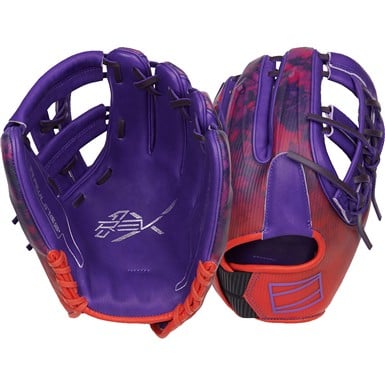
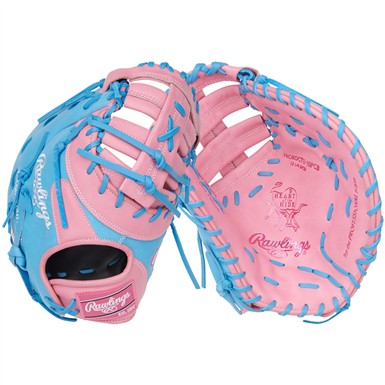
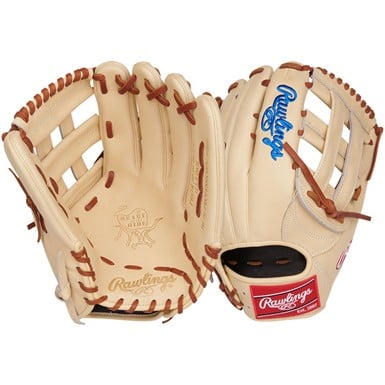
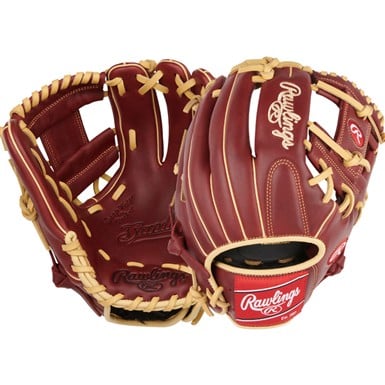
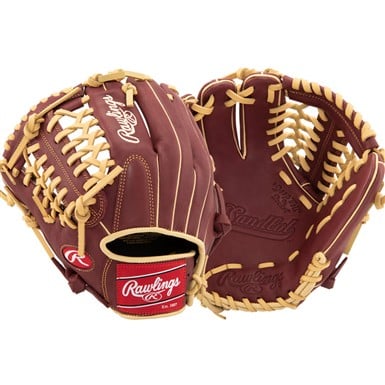
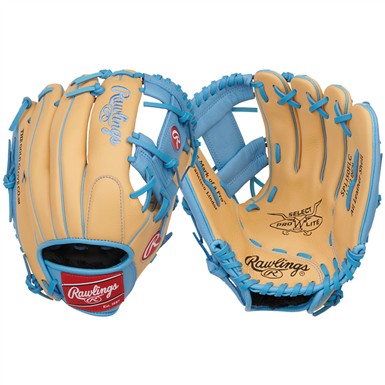
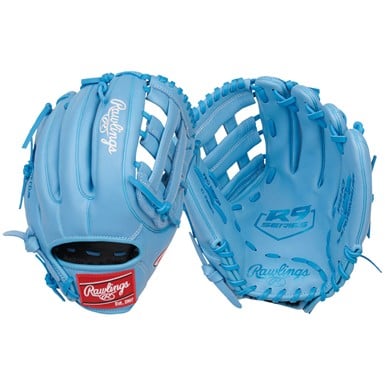
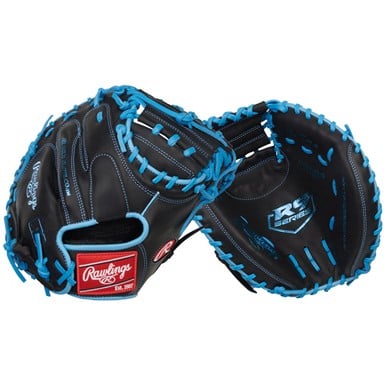
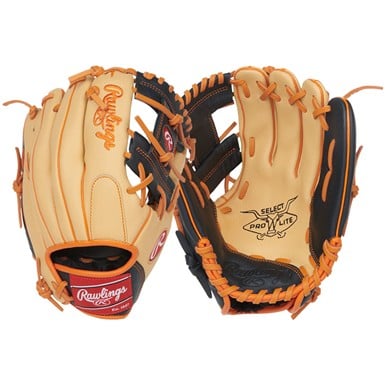
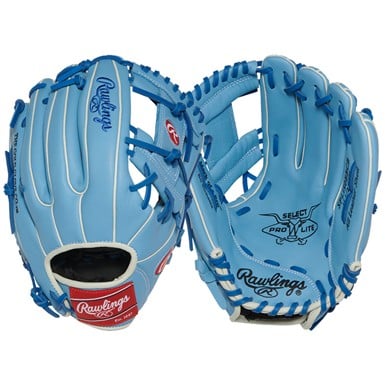
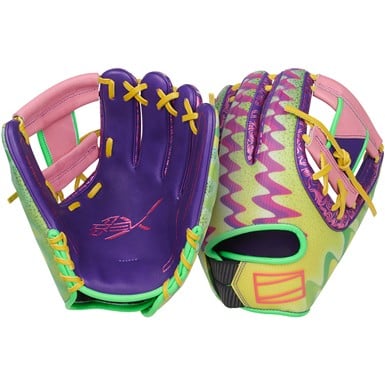
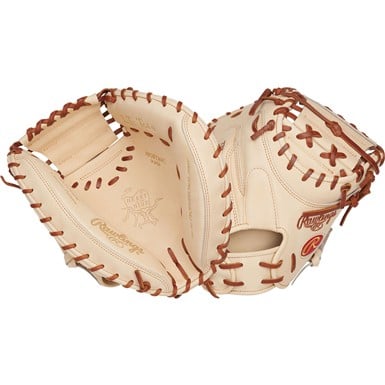
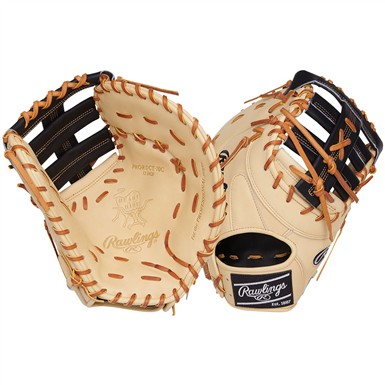
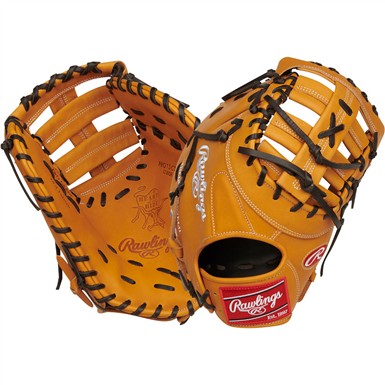
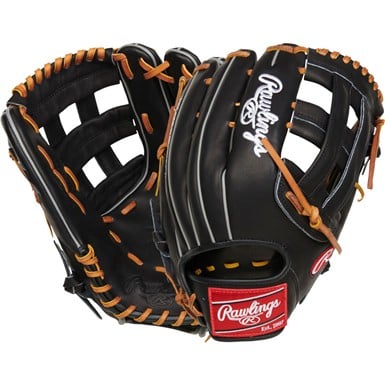
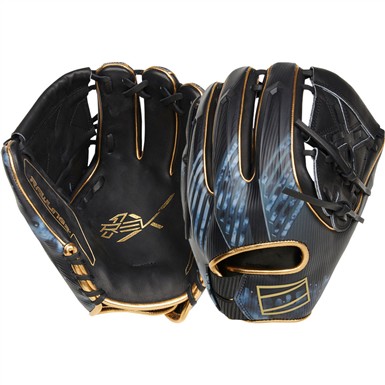
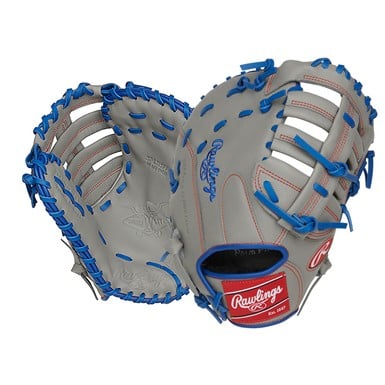
When selecting a Rawlings glove, consider your position's unique needs. Infielders benefit from smaller gloves with shallow pockets for quick ball transfers, while outfielders need larger gloves with deeper pockets for catching fly balls. Catcher's mitts feature extra padding and a closed web design, and first basemen's gloves have a longer, curved design. Check the glove's web style, size, and fit according to your position, age, and preference. Consult with a coach or sizing chart to ensure the glove matches your skill level for optimal performance on the field.