Baseball Batting Helmets FAQs
How should a baseball batting helmet fit on the head?
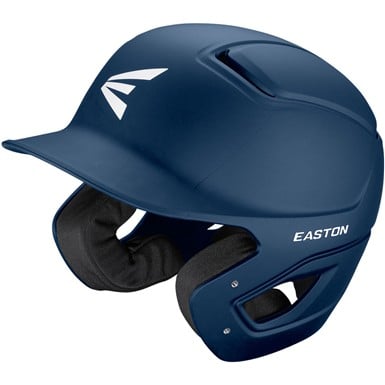
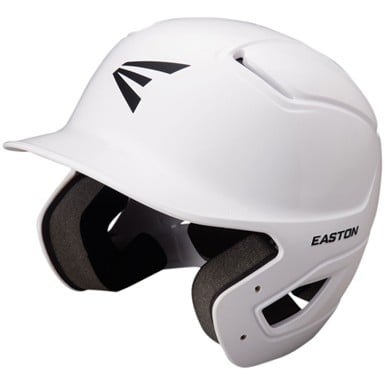
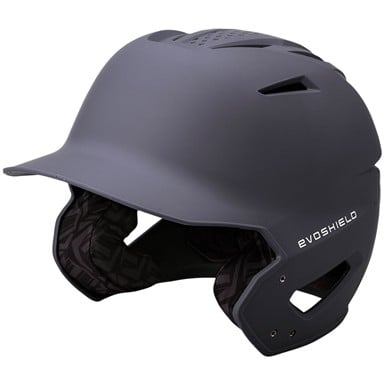
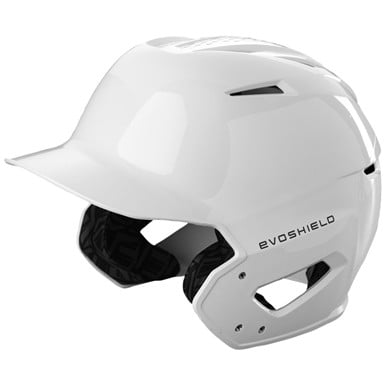
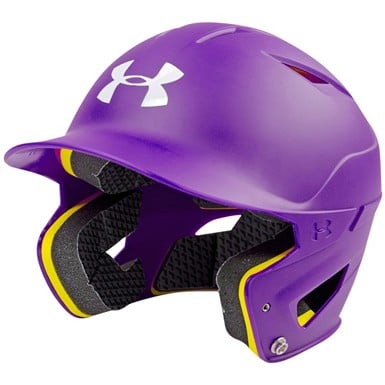
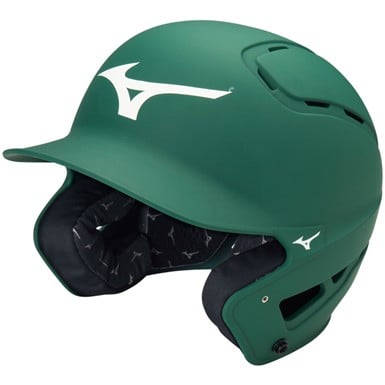
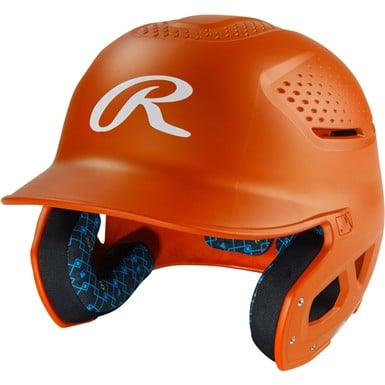
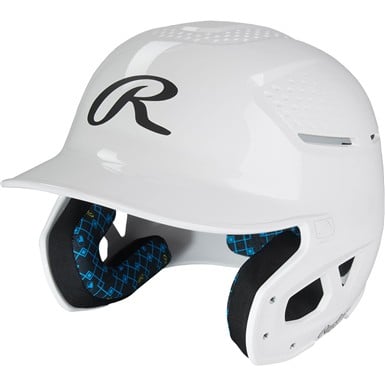
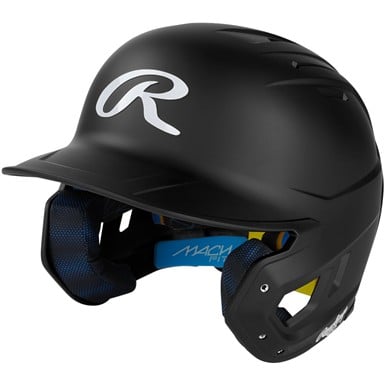
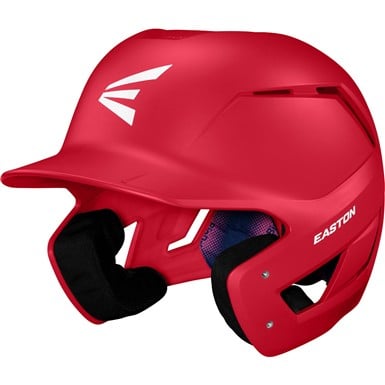
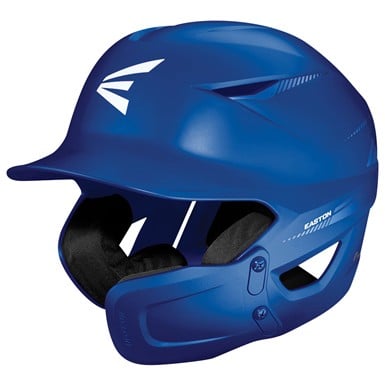
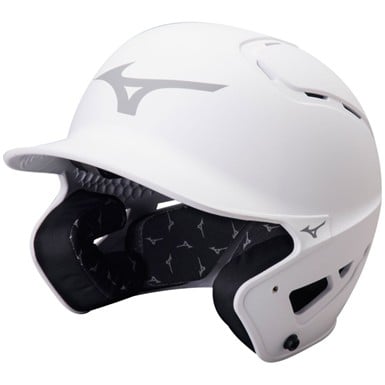
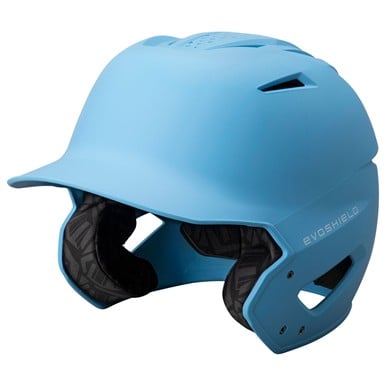
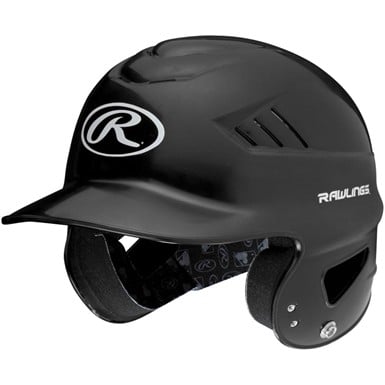
A baseball batting helmet should fit snugly around your entire head without being uncomfortably tight. The helmet should sit low on your forehead, about one inch above the eyebrows, and should not tilt back or shift while moving. When you gently shake your head, the helmet should stay securely in place. If the helmet feels loose or wobbly, try a smaller size or use adjustable padding for a better fit. A proper fit is crucial for both comfort and maximum protection against impacts during play.
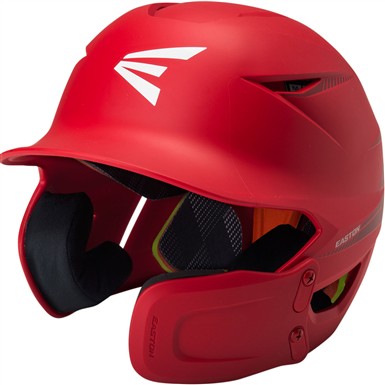
What is a C-flap on a batting helmet?
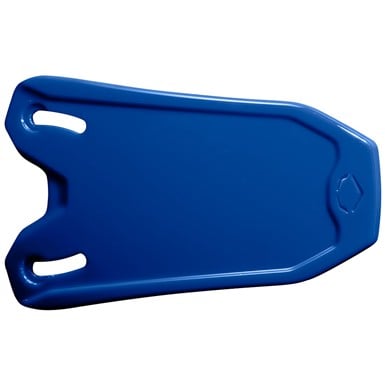
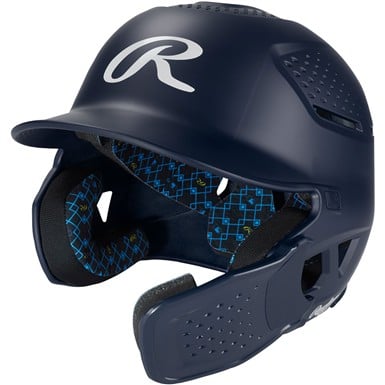
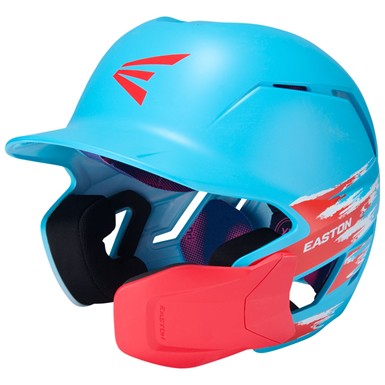
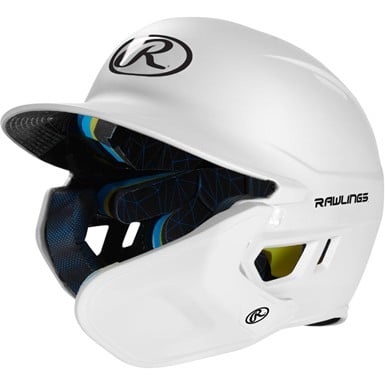
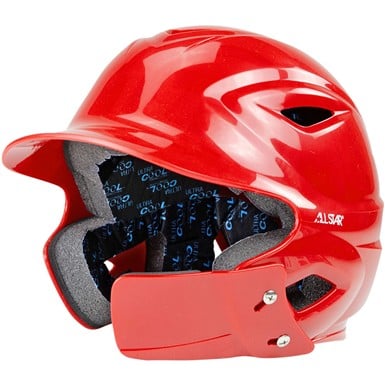
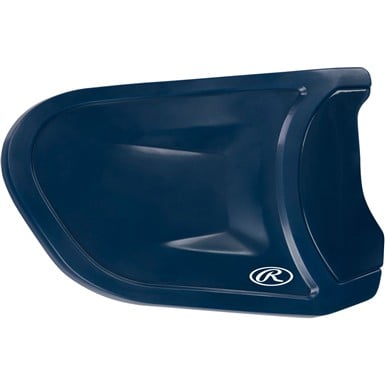
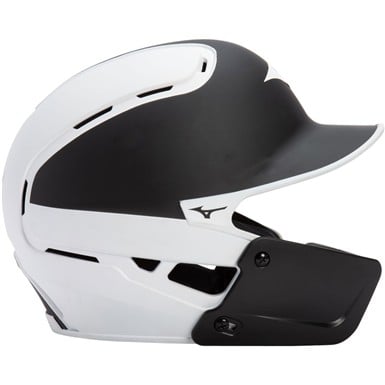
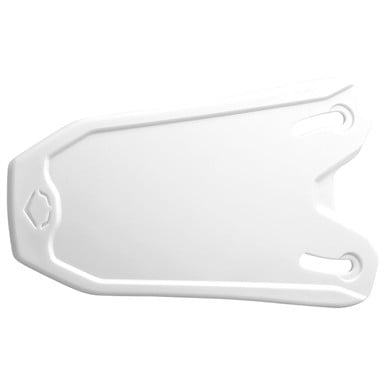
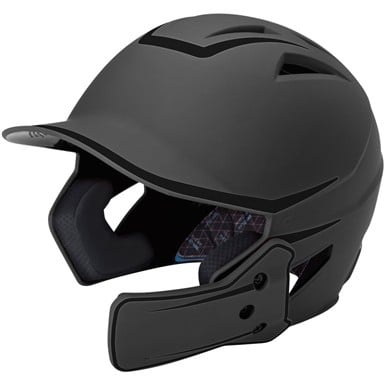
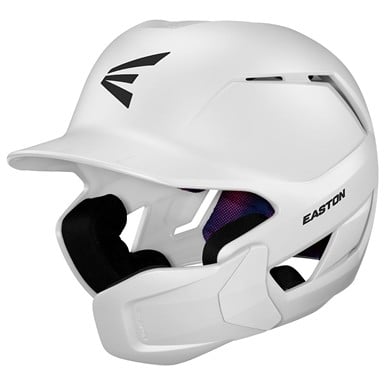
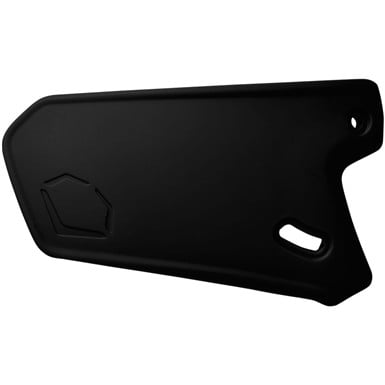
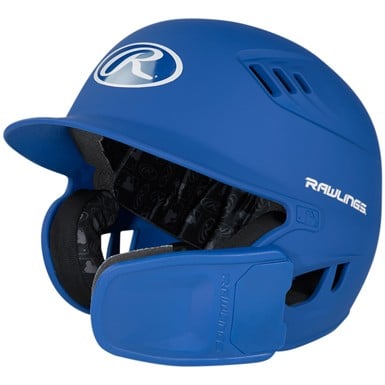
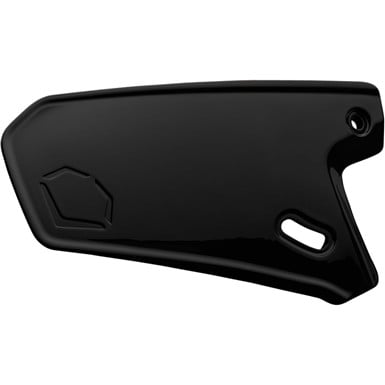
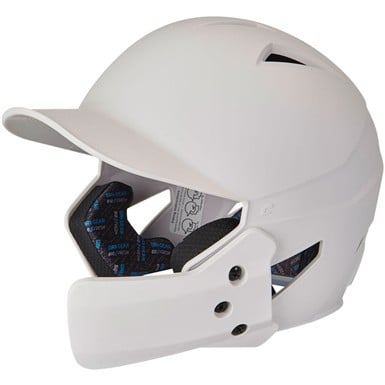
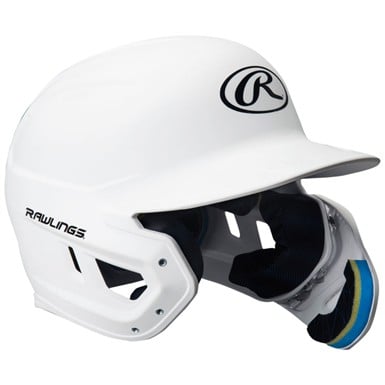
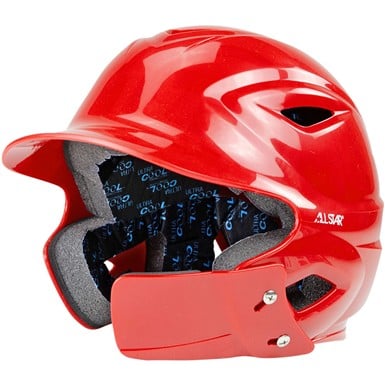
A C-flap is a protective extension attached to one side of a baseball batting helmet, designed to shield a batter's cheek and jaw from incoming pitches. It's typically worn on the side facing the pitcher, offering additional facial protection without obstructing vision or movement. Many players, including professionals, opt for C-flaps to reduce the risk of facial injuries from wild pitches or foul balls. Some helmets come pre-fitted with a C-flap, while others can be retrofitted depending on the helmet's design.
Can you use a baseball batting helmet with a crack?
No, you should not use a baseball batting helmet with a crack, regardless of its size or location. Even a small crack compromises the helmet's structural integrity and its ability to absorb and disperse impact forces. Using a damaged helmet increases the risk of serious head injuries. For your safety, always replace any helmet that shows signs of cracking, splitting, or significant wear, and inspect your equipment regularly to ensure it remains in top condition.
When should you replace a batting helmet?
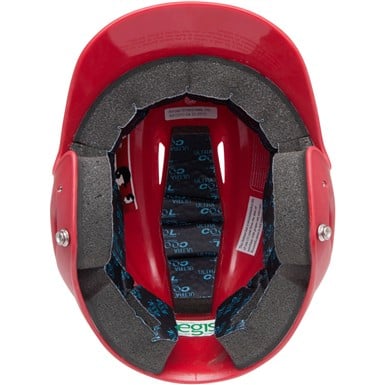
You should replace a batting helmet immediately if it shows signs of damage, such as cracks, dents, or broken padding. Most manufacturers recommend replacing helmets every few years, even if no visible damage is present, as materials can degrade with time and use. Frequent exposure to sunlight, sweat, or repeated impacts can also shorten a helmet's lifespan. Always refer to the manufacturer's guidelines for the recommended replacement interval to ensure your helmet offers optimal protection.