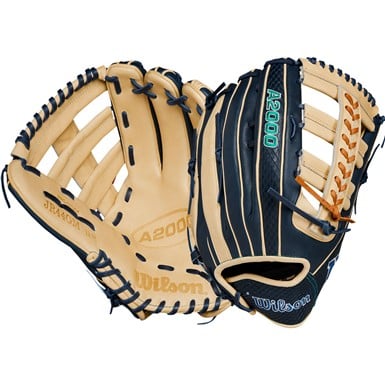
Youth Baseball Outfield Gloves FAQs
When should a younger player get a dedicated outfield glove?
Younger players should consider getting a dedicated outfield glove when they consistently play in the outfield, usually around ages 9 to 12, or when they start participating in competitive leagues with clear field assignments. A dedicated outfield glove offers a larger pocket and longer length, which helps catch fly balls and prevent drops. Upgrading makes sense when a player's skills, hand size, and interest in the outfield position develop enough to benefit from specialized features rather than using an all-purpose or infield glove.
What size glove should a youth outfielder get?
Youth outfielders typically do best with glove sizes ranging from 11.5 to 12.5 inches, depending on their age and hand size. For younger players ages 7 to 10, an 11.5 to 12 inch glove is usually sufficient, providing a comfortable balance of reach and control. Older or larger youth outfielders (ages 11 to 13) might prefer a 12 or 12.5 inch glove for enhanced catching ability. Choosing the right size helps ensure proper ball security and more confident fielding during games.
What features make a good outfield glove?
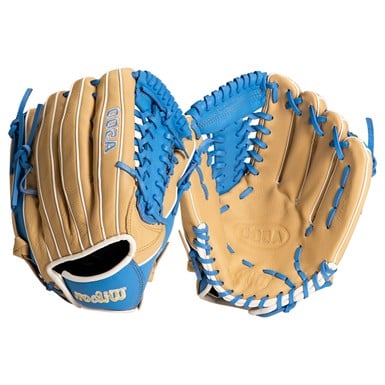
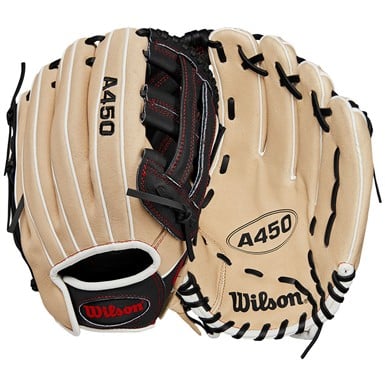
A good outfield glove should have a deep, wide pocket to help secure fly balls and line drives. Longer length, typically 11.5 inches or more for youth, provides extra reach. Look for gloves with an open web design like H-web or trapeze styles, which allow better visibility and easier ball transfer. Robust padding and support help with shock absorption on hard catches, and adjustable wrist straps improve fit and comfort. Lightweight construction is also important for younger players to handle the glove easily during play.
What is the best material for youth outfield gloves?
The best material for youth outfield gloves is often full-grain or top-grain leather, as these types offer durability and improved performance while shaping well to a player's hand over time. For younger or beginner players, synthetic leather gloves can also be a good choice, as they tend to be lighter and require less break-in time, making them easier to use immediately. Genuine leather remains preferable for serious or competitive players seeking a glove that lasts longer and provides better feel and ball control.