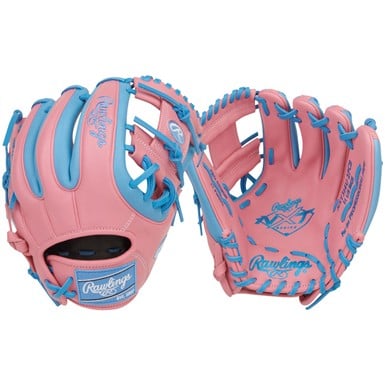
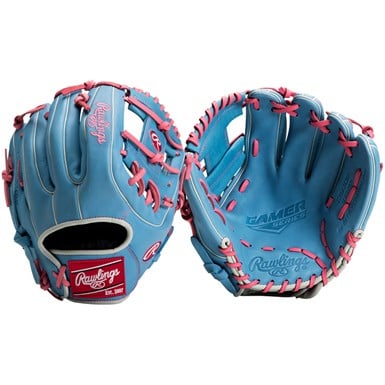
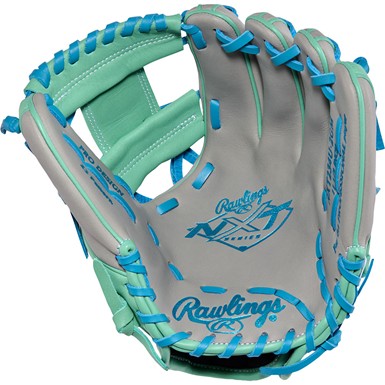
Youth Baseball Infield Gloves FAQs
When should a younger player get an infield glove?
A younger player should consider getting an infield glove as soon as they consistently play infield positions such as shortstop, second base, or third base. This typically happens in organized youth leagues around ages 7 to 9, depending on skill level and team needs. Infield gloves help young players handle ground balls, quick throws, and transfers more effectively than larger, outfield-focused gloves. If your player expresses interest or is assigned to play infield regularly, it's a smart time to invest in a properly sized infield glove for their development and comfort.
What size glove should a youth infielder use?
Youth infielders generally need a glove size between 10.5 and 11.5 inches, depending on their age, hand size, and position. Younger players ages 7 to 9 often do well with a 10.5 to 11-inch glove, while older or more advanced players ages 10 to 12 usually prefer 11 to 11.5 inches. The right size allows for quick ball transfer and control. Avoid oversized gloves, as they can be hard for young players to manage and may hinder their performance in fast-paced infield plays.
How should a youth infield glove fit?
A youth infield glove should fit snugly without being too tight, allowing for flexibility and control. There should be room for all fingers to fit comfortably, and the glove should feel secure when the hand is inserted fully. Adjustable wrist straps can help achieve a custom fit. The glove should close easily in a player's hand, making it simpler to scoop grounders and transfer the ball. If the glove is slipping or feels bulky, it is likely too large and may affect performance and comfort on the field.
What are the best brands for youth infield gloves?
Some of the best brands for youth infield gloves include Rawlings, Wilson, Mizuno, and Easton. Rawlings and Wilson are widely recognized for their durability, comfort, and quality materials, making them popular among young players and coaches. Mizuno offers lightweight options ideal for smaller hands, while Easton provides budget-friendly gloves without sacrificing performance. When choosing a brand, consider factors such as leather quality, fit, and break-in time to ensure your player is both comfortable and confident on the field.