Baseball Gloves and Mitts FAQs
What's the difference between a baseball glove and a mitt?
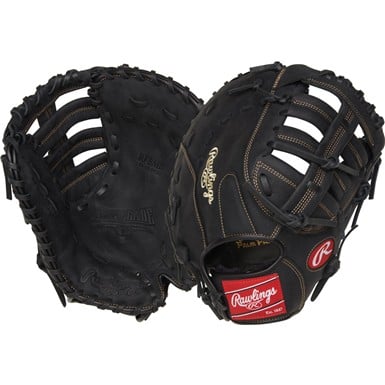
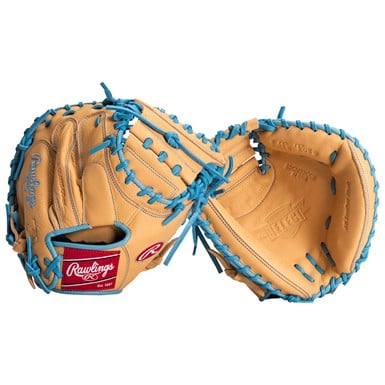
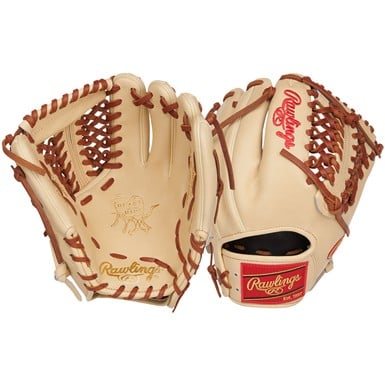
The main difference between a baseball glove and a mitt is the design and intended use. A glove has individual finger slots for flexibility and control, commonly used by most fielders. A mitt, such as a catcher's mitt or first baseman's mitt, does not have separate finger slots and features extra padding and a rounded shape to help catch fast throws and scoops. Mitts are position-specific, enhancing protection and ease of catching, while gloves offer dexterity and are used by infielders and outfielders except for first base and catcher positions.
What is the difference between an infield and outfield glove?
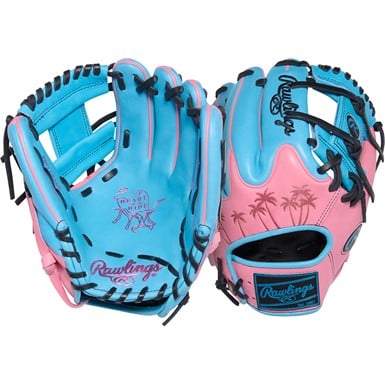
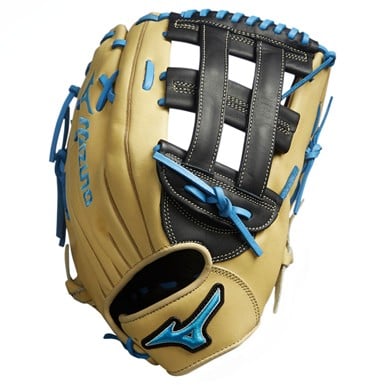
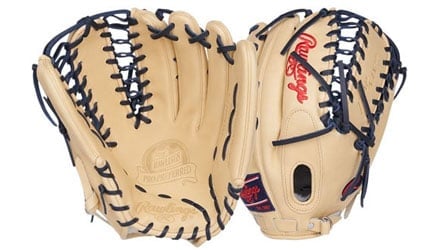
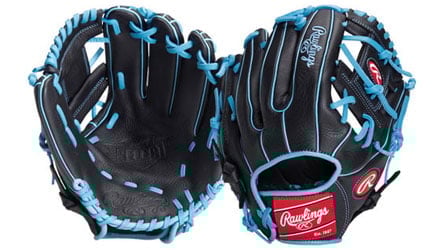
Infield gloves are smaller, usually 11 to 12 inches, designed for quick transfers and precise ball control. They have a shallower pocket and open webbing, making it easier to grab and throw the ball fast. Outfield gloves are larger, typically 12 to 13 inches, to help players catch fly balls and cover more reach. Their deeper pockets and closed or dual-post webs secure the ball on high catches. Choosing the correct glove type helps maximize performance based on your fielding position and needs.
What size baseball glove do I need?
The right baseball glove size depends on your age, position, and personal preference. Youth gloves range from 9 to 12 inches, while adult gloves start around 11 inches and can go up to 13 inches. Infielders typically use 11 to 12-inch gloves, outfielders use larger 12 to 13-inch models for better reach, catchers need 32 to 34-inch mitts, and first basemen use mitts from 12 to 13 inches. Always check sizing charts for brand-specific recommendations, and ensure the glove fits snugly but comfortably for optimal control.
What should I look for in a baseball glove?
When choosing a baseball glove, consider your playing position, glove size, and materials. Look for quality leather for durability and comfort. Ensure the glove has sturdy lacing, a secure and adjustable fit, and appropriate webbing style for your role. Break-in time, padding, and pocket depth are important for how the glove handles. Outfielders benefit from deeper pockets and closed webs, while infielders prefer lighter gloves with shallow pockets for quick plays. Always try the glove on to confirm comfort, fit, and ease of movement.