Wood Baseball Bats FAQs
Why do players use wood baseball bats?
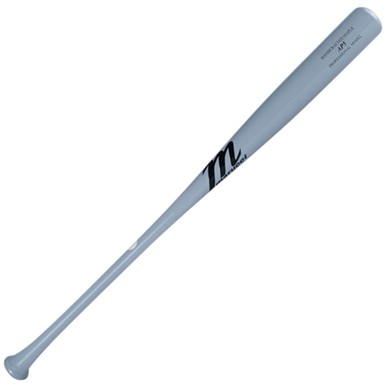
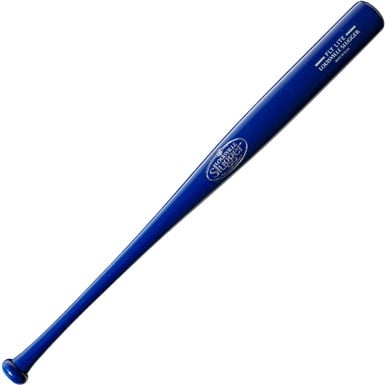
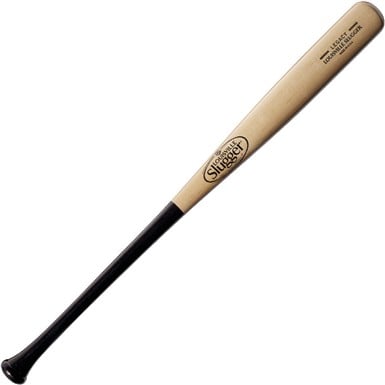
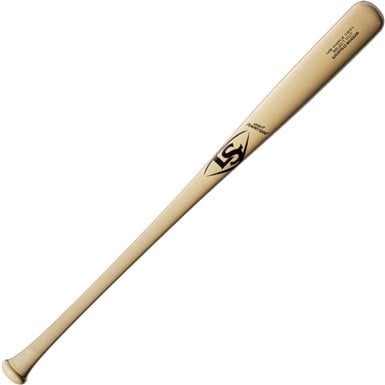
Players use wood baseball bats to develop cleaner swing mechanics, better barrel control, and a more precise feel for contact. Because wood bats don't have the trampoline effect of metal or composite bats, hitters must square the ball up consistently to generate solid contact. This helps players improve timing, bat path, and hand-eye coordination. Wood bats are also required in professional baseball and many collegiate summer leagues, making them essential for players preparing for higher levels of competition.
What types of wood are used in baseball bats?
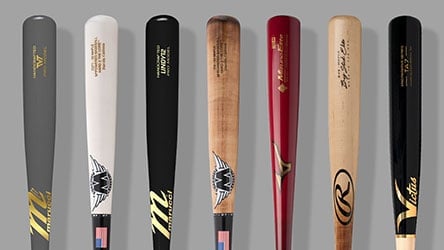
Common woods used in baseball bats include maple, ash, and birch. Maple is dense and hard, offering strong pop and durability but requiring precise contact. Ash is lighter and more flexible, providing a forgiving feel and larger effective sweet spot, though it can flake over time. Birch blends qualities of both maple and ash, offering a balanced feel with good durability and some flexibility. Each wood type produces a different swing feel, so player preference and hitting style play a big role in selection.
Are wood bats allowed in all leagues?
Wood bats are allowed in many leagues, but requirements vary by level and organization. Professional baseball and many collegiate summer leagues mandate wood bats exclusively. Some youth and travel leagues offer wood-bat divisions or tournaments, while others require metal or composite bats. Recreational leagues may allow wood bats but do not require them. Always check league rules before using a wood bat in games to ensure compliance with equipment standards.
How do wood bats differ from metal or composite bats?
Wood bats differ from metal and composite bats in both performance and feel. They have smaller sweet spots and less trampoline effect, meaning solid contact is more important for good results. Metal and composite bats typically generate higher exit speeds and feel more forgiving on mishits. Wood bats provide immediate feedback on contact quality and encourage disciplined swing mechanics. They also require more care, as they can crack or break if misused or hit with poor contact.
How do you care for and maintain a wood bat?
To maintain a wood baseball bat, keep it clean and dry after use, wiping away dirt and moisture. Store the bat in a temperate environment and avoid extreme heat or cold, which can weaken the wood. Rotate the bat slightly between swings to distribute impact evenly across the barrel grain. Avoid hitting waterlogged balls or hard objects like batting cage frames. Regular inspection for cracks or dents helps ensure safety and prolongs the bat's usable life.