Baseball Outerwear FAQs
What Baseball Outerwear Is Useful For Early-Season Games?
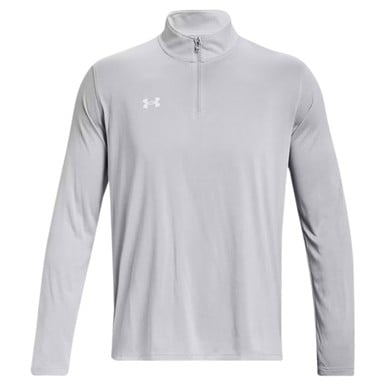
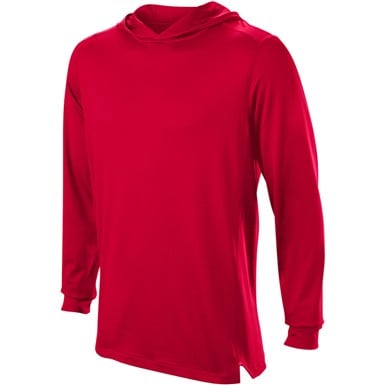
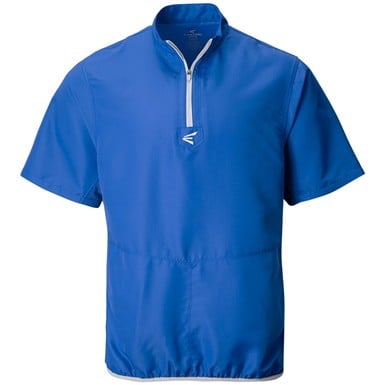
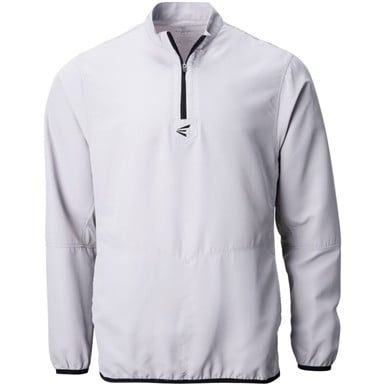
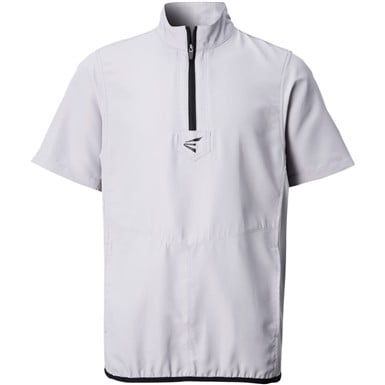
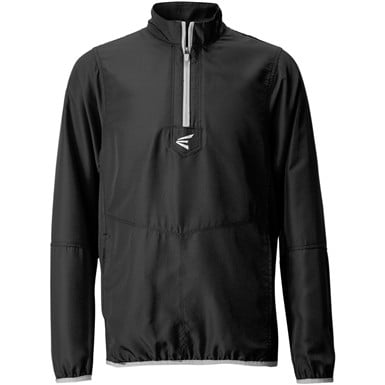
Early-season baseball games can be chilly, so players often opt for lightweight jackets, windbreakers, and thermal pullovers. Quarter-zip jackets and fleece-lined hoodies provide warmth without adding bulk, allowing for free movement on the field. Water-resistant materials are helpful for unpredictable spring weather, while breathable fabrics help regulate body temperature. Look for outerwear designed specifically for baseball, with raglan sleeves and stretch panels to ensure a full range of motion during defensive plays and at-bats.
How Do Players Layer Baseball Outerwear Without Limiting Their Swing?
To layer effectively, baseball players choose thin, performance-based base layers beneath a baseball-specific outerwear piece. Begin with a moisture-wicking shirt to keep sweat off the skin, then add a flexible mid-layer such as a lightweight fleece or thermal. Top this with a jacket or pullover featuring stretch fabric and raglan sleeves, which allow the arms and shoulders to move freely. Avoid bulky or restrictive outerwear; instead, look for fitted pieces that provide warmth without hindering natural swinging and throwing motions.
What Is The Difference Between A Baseball Jacket And A Hoodie?
A baseball jacket typically features a snap or zip front, ribbed cuffs, and waistband, designed with wind and weather resistance in mind. It often includes team logos or colors and is made from sleek, durable materials like nylon or polyester. A hoodie, in contrast, has a pullover design with an attached hood and kangaroo pocket, made from soft cotton or fleece. Hoodies provide casual comfort and warmth, while jackets are tailored for field use, offering better weather protection and freedom of movement during play.
Which Outerwear Works Best For Dugout Use?
For dugout use, outerwear that balances warmth and breathability is ideal. Team jackets and warm-up tops made from lightweight yet insulating materials help players stay comfortable between innings. Full-zip or quarter-zip jackets are practical, as they can be easily removed or adjusted as needed. Outerwear with moisture-wicking properties also helps manage perspiration while waiting to take the field. Look for roomy designs that can be layered over uniforms and easily stored in a gear bag when not in use.